Holding the Line: Protecting Women and Children on Afar's Humanitarian Frontline
A firsthand dispatch from Erebti, Koneba, and Dallol Woredas, where Help Generation's women-led frontline teams are restoring dignity, medical care, and safe spaces amidst compounding drought and conflict crises.
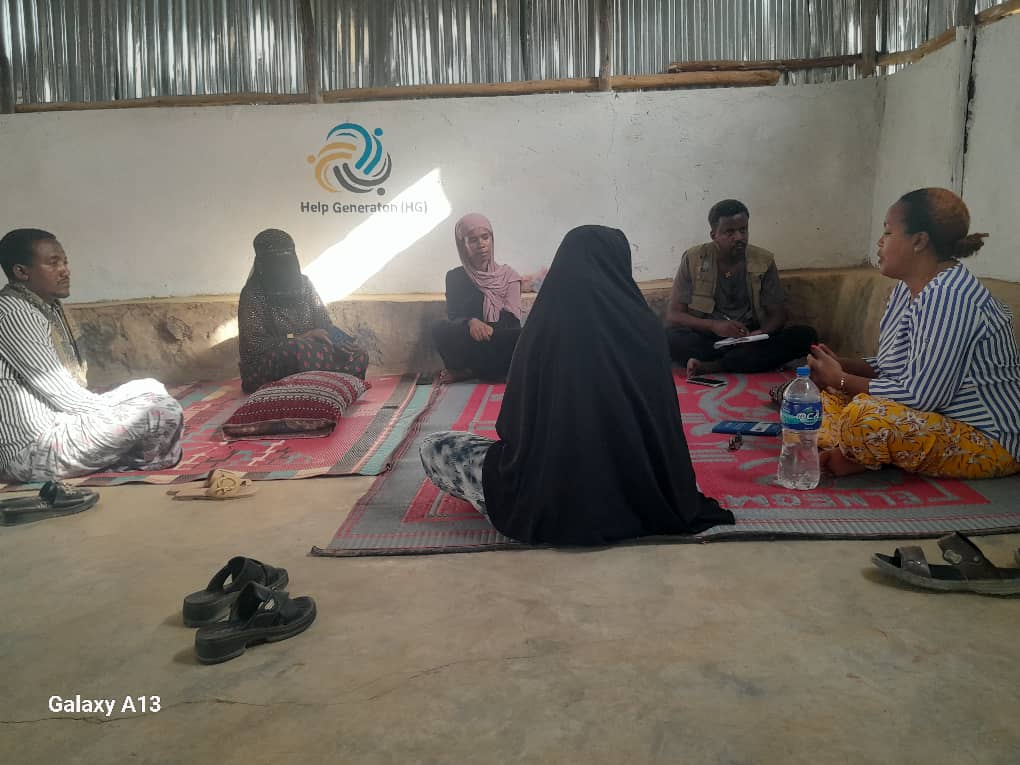
A Region Caught Between Conflict and Climate
The Afar region of northeastern Ethiopia is living through a devastating collision of two concurrent crises: the aftermath of prolonged armed conflict and the acute shock of climate-induced drought punctuated by flash flooding. As political instability and territorial disputes displaced pastoralist communities, the traditional safety nets that families have relied on for generations began to unravel at unprecedented speed.
As access to basic sustenance, income, and shelter narrowed, the risks facing women and young girls multiplied. A comprehensive regional assessment conducted in 2025 across Segum documented a staggering escalation in gender-based violence, occurring alongside acute institutional barriers for survivors trying to access life-saving clinical, psychosocial, and legal support.
Behind every statistic is an individual whose life was upended. Of the reported cases, approximately 80% involved rape, with more than 90% affecting adolescent girls under the age of 18. Local social workers faced immense obstacles: an acute shortage of trained female personnel, fragile referral pathways, and entrenched stigma that kept survivors from speaking out.
Restoring Dignity: 3,080 Kits on the Ground
In emergency conditions, basic menstrual health, personal sanitation, and bodily dignity are frequently the first necessities to be neglected. When displaced women and adolescent girls lack access to essential hygiene supplies, their freedom of movement diminishes, school dropouts spike, and the danger of exploitation increases dramatically.
Under the FCDO-supported EC2R and Crisis Reserve Programs, Help Generation partnered directly with UNICEF to execute high-impact dignity kit distributions across Erebti, Koneba, and Dallol. Rather than merely handing over supplies, HG organized structured distribution committees led by community members themselves to ensure transparency and eliminate secondary protection risks.
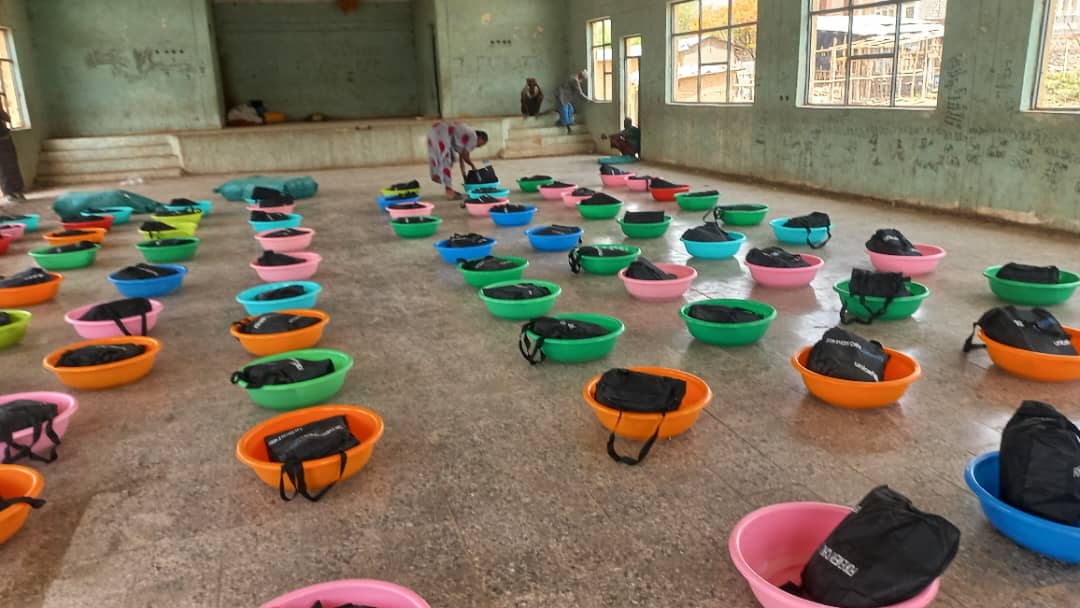
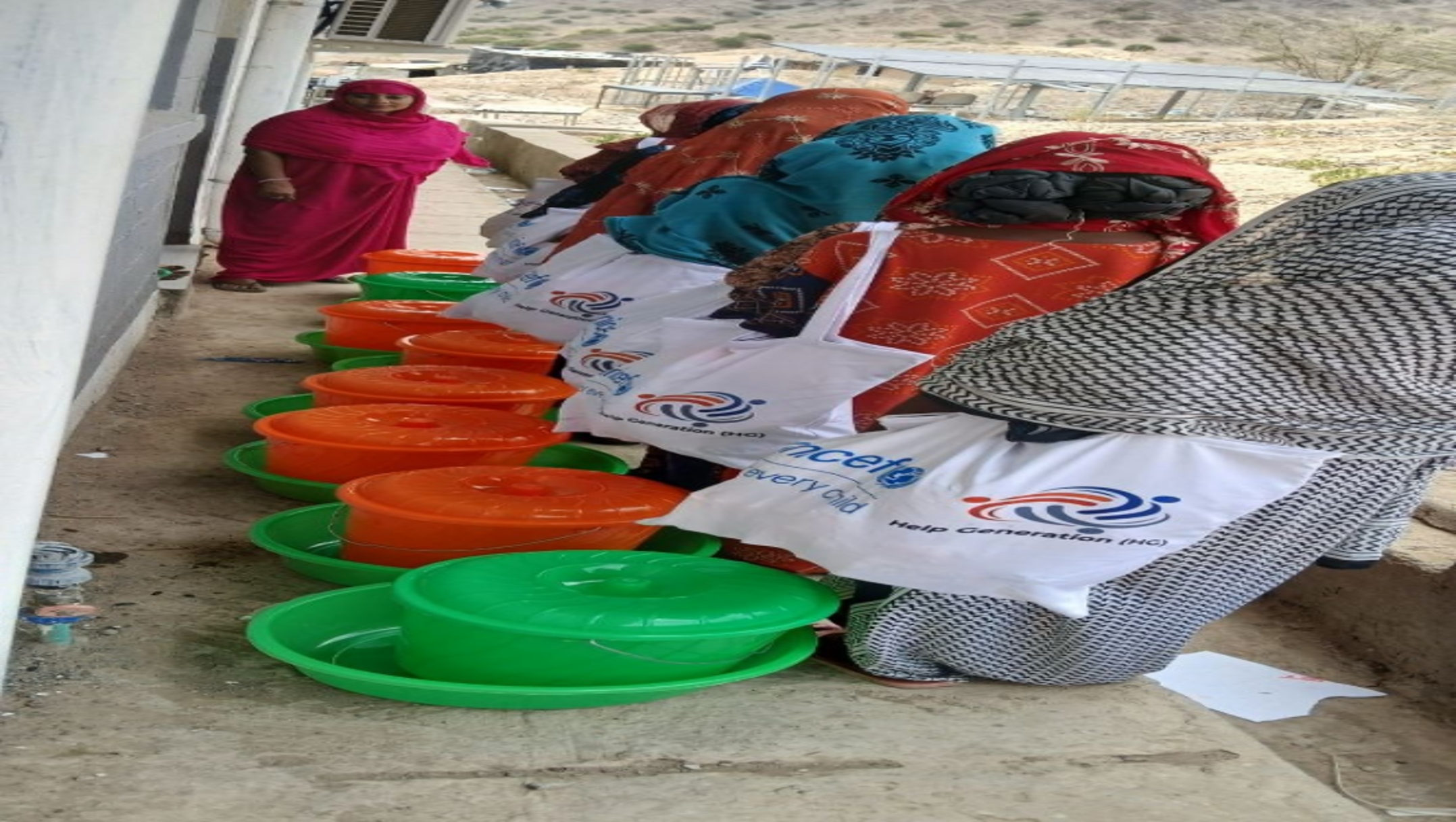
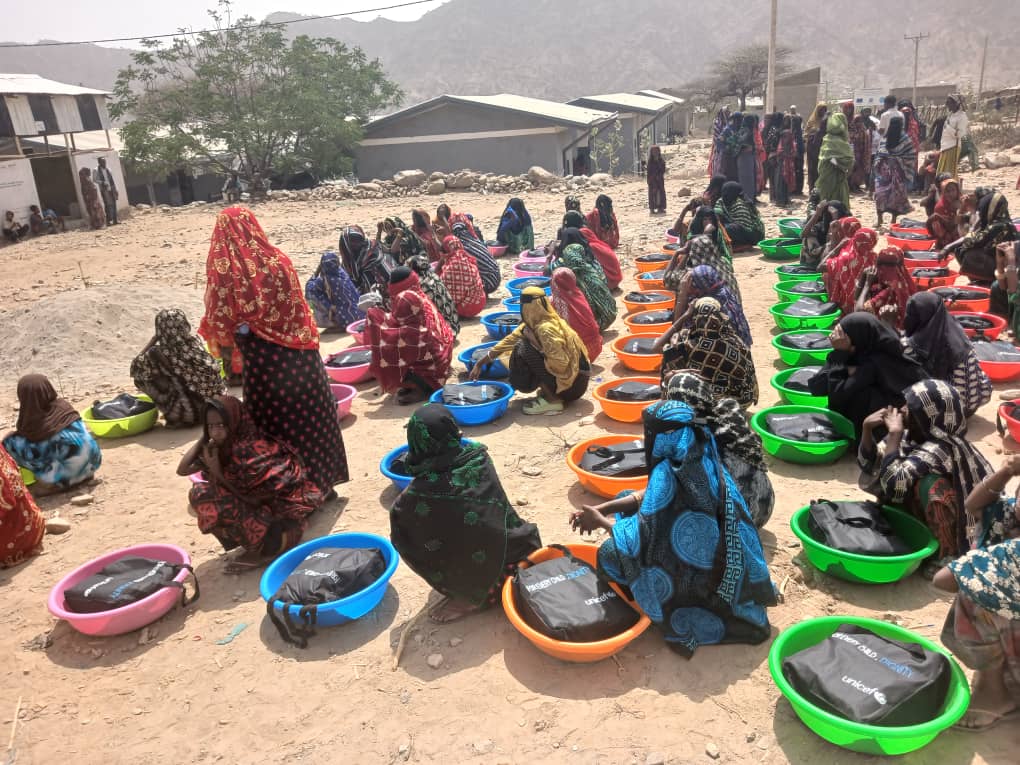
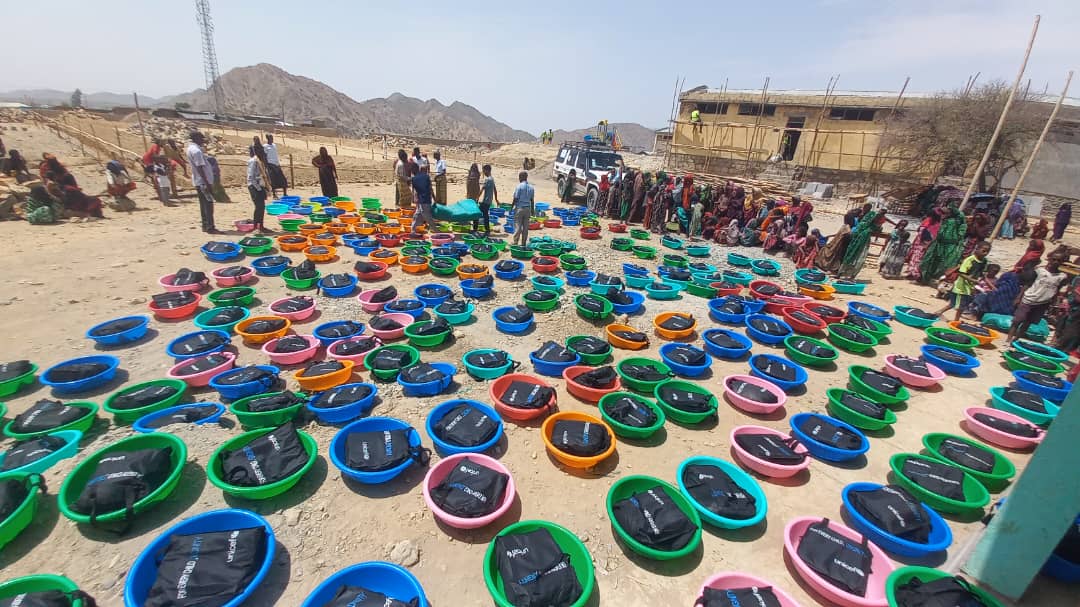
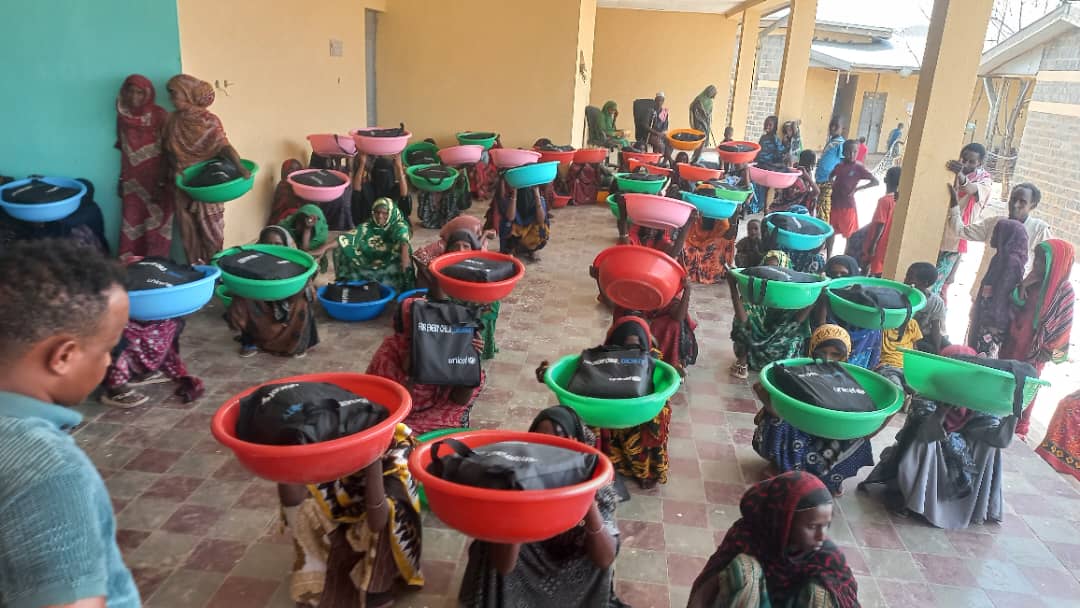
In total, 3,080 individuals were reached. Each distribution included tailored orientations on hygiene kit maintenance and safe disposal of sanitary materials, combined with discreet information on how survivors can reach local social workers and access specialized services without fear of exposure.
Frontline Workforce: The 5-Day Case Management Intensive
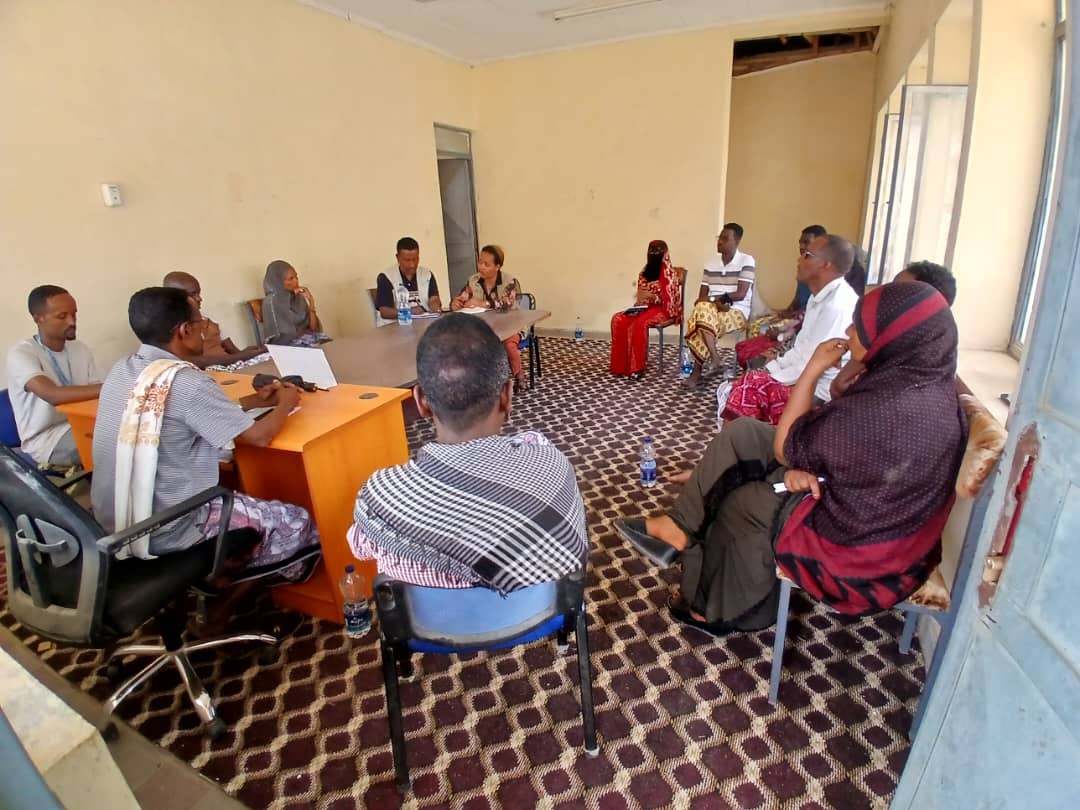
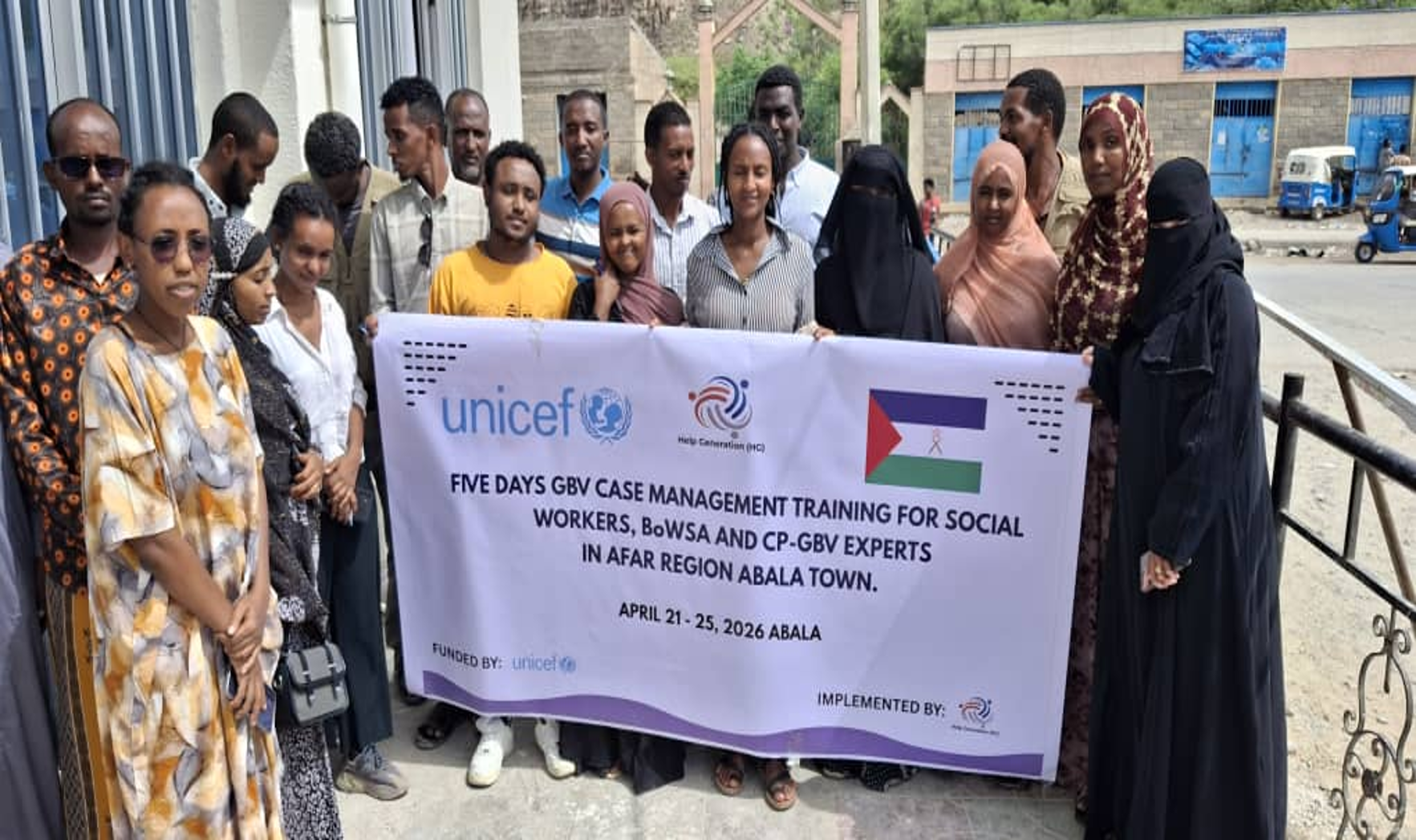
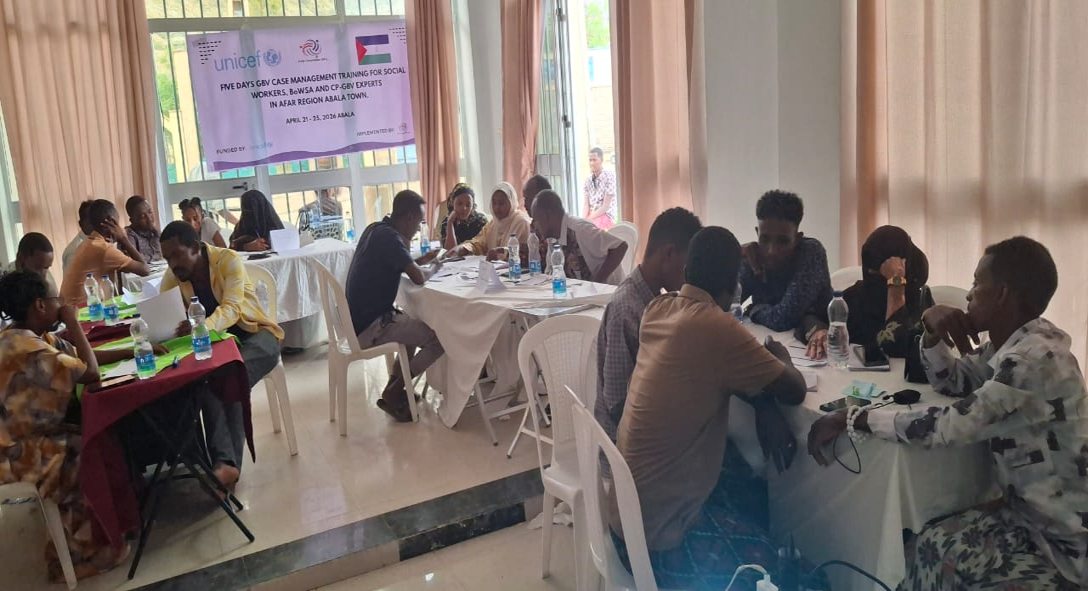
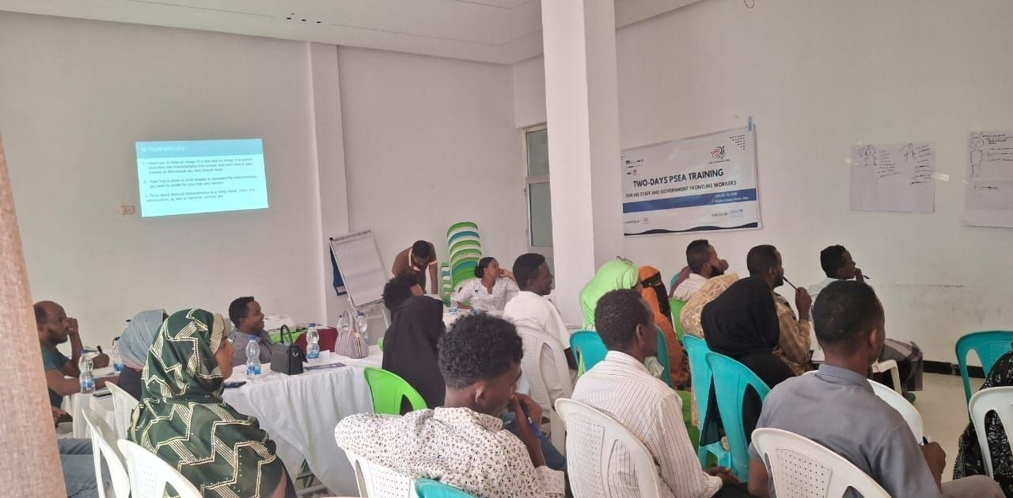
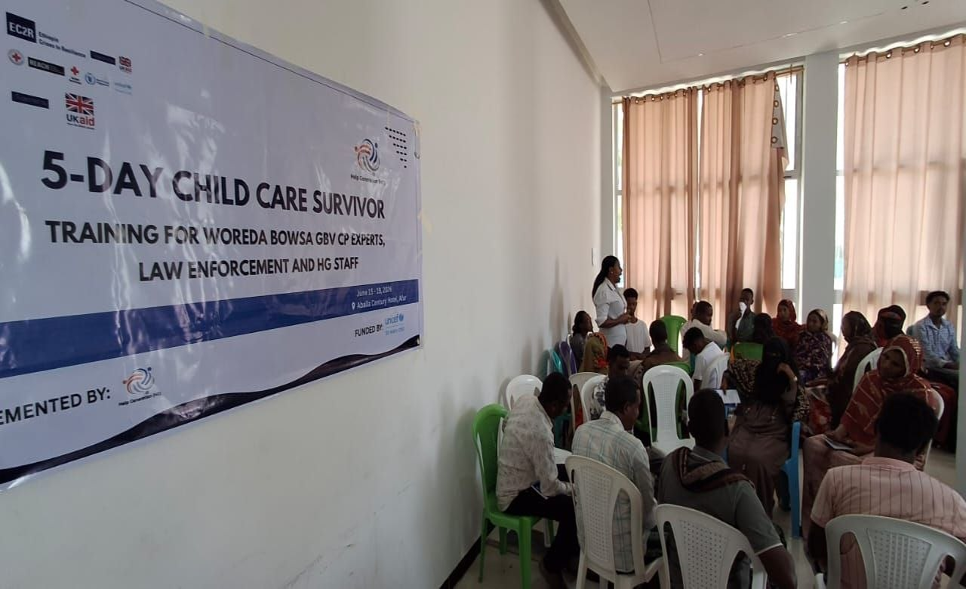
A survivor's first point of contact determines their entire trajectory of recovery. If greeted with judgment or procedural confusion, they may retreat into silence. Recognizing this, Help Generation designed and executed an intensive Five-Day GBV Case Management Training targeting local social workers, Bureau of Women and Social Affairs (BoWSA) personnel, and health extension workers from across Dallol, Erebti, and Koneba.
"When frontline workers are trained to listen with empathy, confidentiality, and technical precision, the culture of silence begins to transform into a pathway of healing."
— HG Field Coordination Lead, Semera HubThe curriculum focused heavily on survivor-centered guidelines, trauma-informed interviewing, multi-sectoral referral workflows, and the strict maintenance of case confidentiality. Additionally, 57 experts from non-GBV sectors (including nutrition, WASH, and education) were trained to recognize warning signs and safely guide disclosures into the formal support network.
Breaking the Silence: Community Mass Sensitization
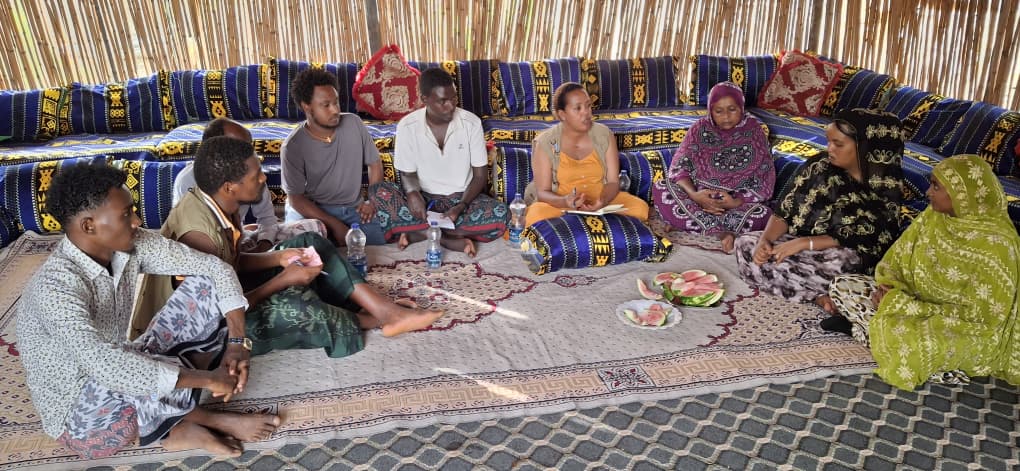
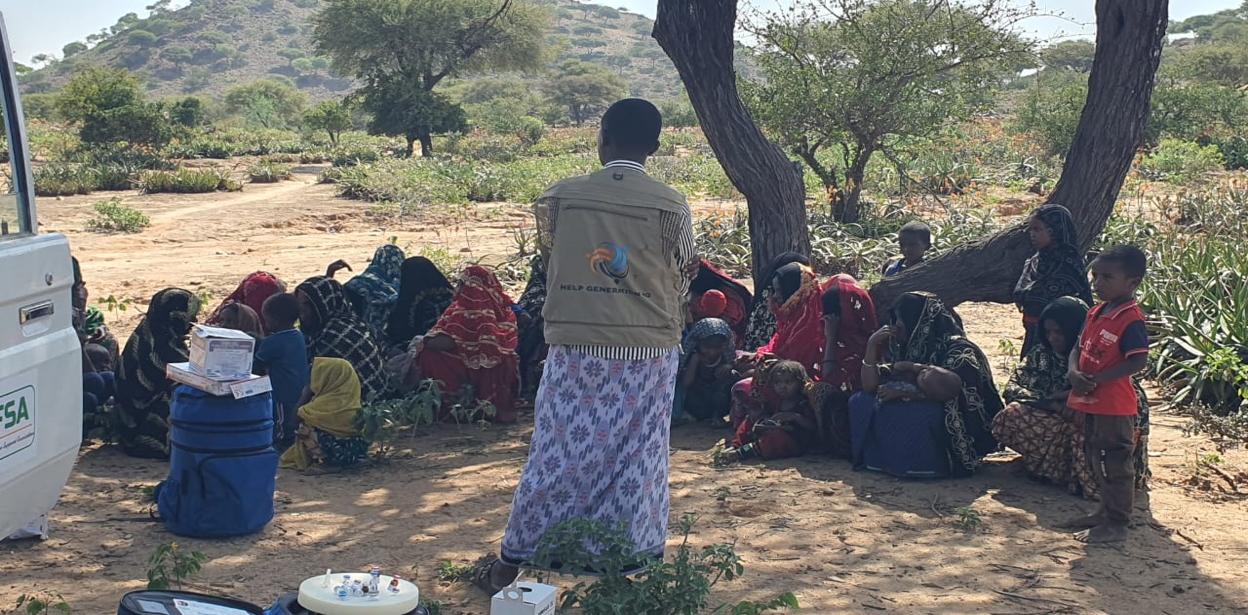
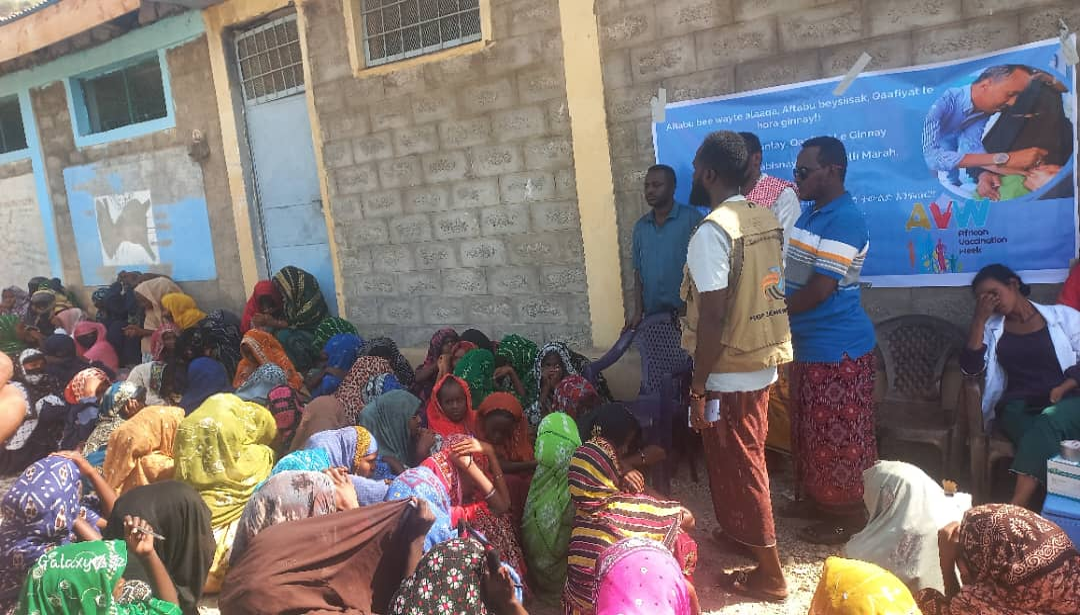
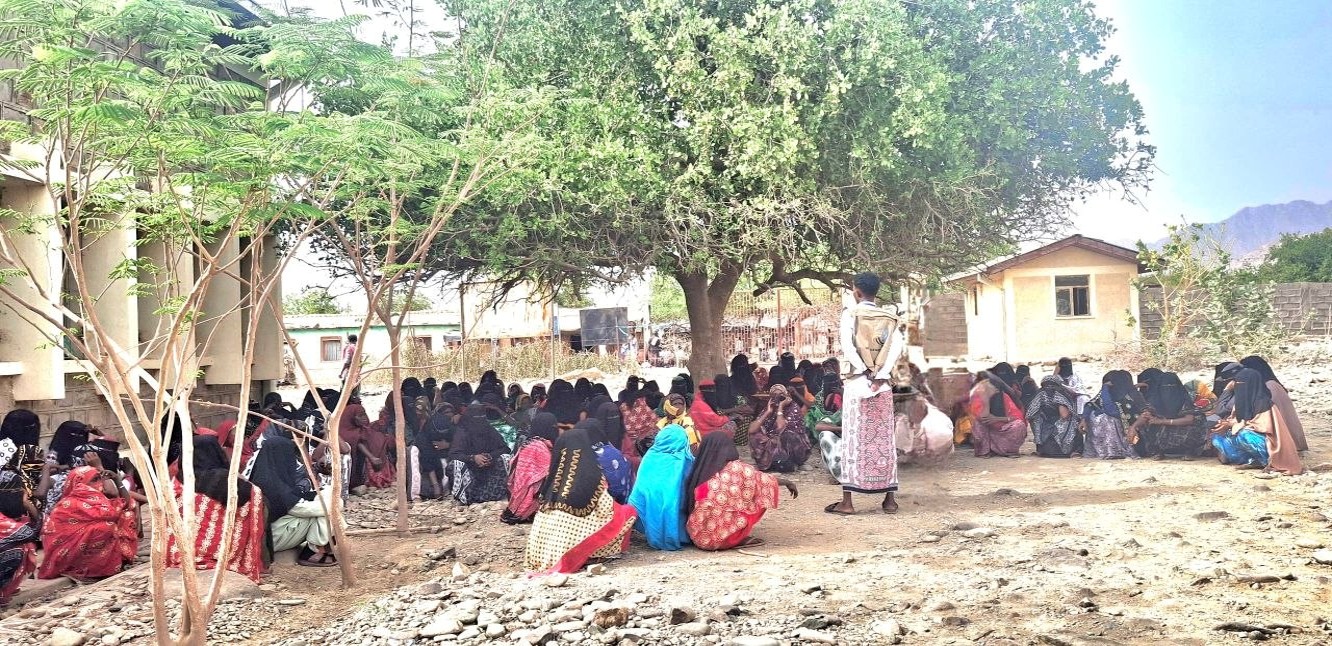
Changing deep-seated societal taboos requires open, community-wide dialogue. Help Generation mobilized grassroots awareness campaigns centered around healthcare facilities, town halls, and community gathering spots.
Direct messaging targeted early-marriage prevention, female genital mutilation (FGM) eradication, and legal accountability under Ethiopian law. In total, 837 community members participated directly:
Erebti Outreach (479 Reached)
125 adolescent girls, 110 women, and 4 women with disabilities engaged on survivor protection rights.
Koneba Health Center (277 Reached)
163 girls under 18 and 110 women connected directly with health center counselors.
Dallol Outreach (81 Reached)
Targeted maternal health and FGM eradication discussions with remote women's groups.
Legal Leadership (57 Trained)
Police officers and woreda leaders trained on Ethiopian legal protections against GBV.
Hidden Trauma: Specialized Clinical Care in Dallol
Dallol Woreda is renowned as one of the most geographically remote, climatically extreme regions on earth. Here, the devastating combination of early child marriage, adolescent pregnancy, total absence of emergency obstetric facilities, and grueling physical labor has resulted in widespread, severe pelvic floor trauma among young women.
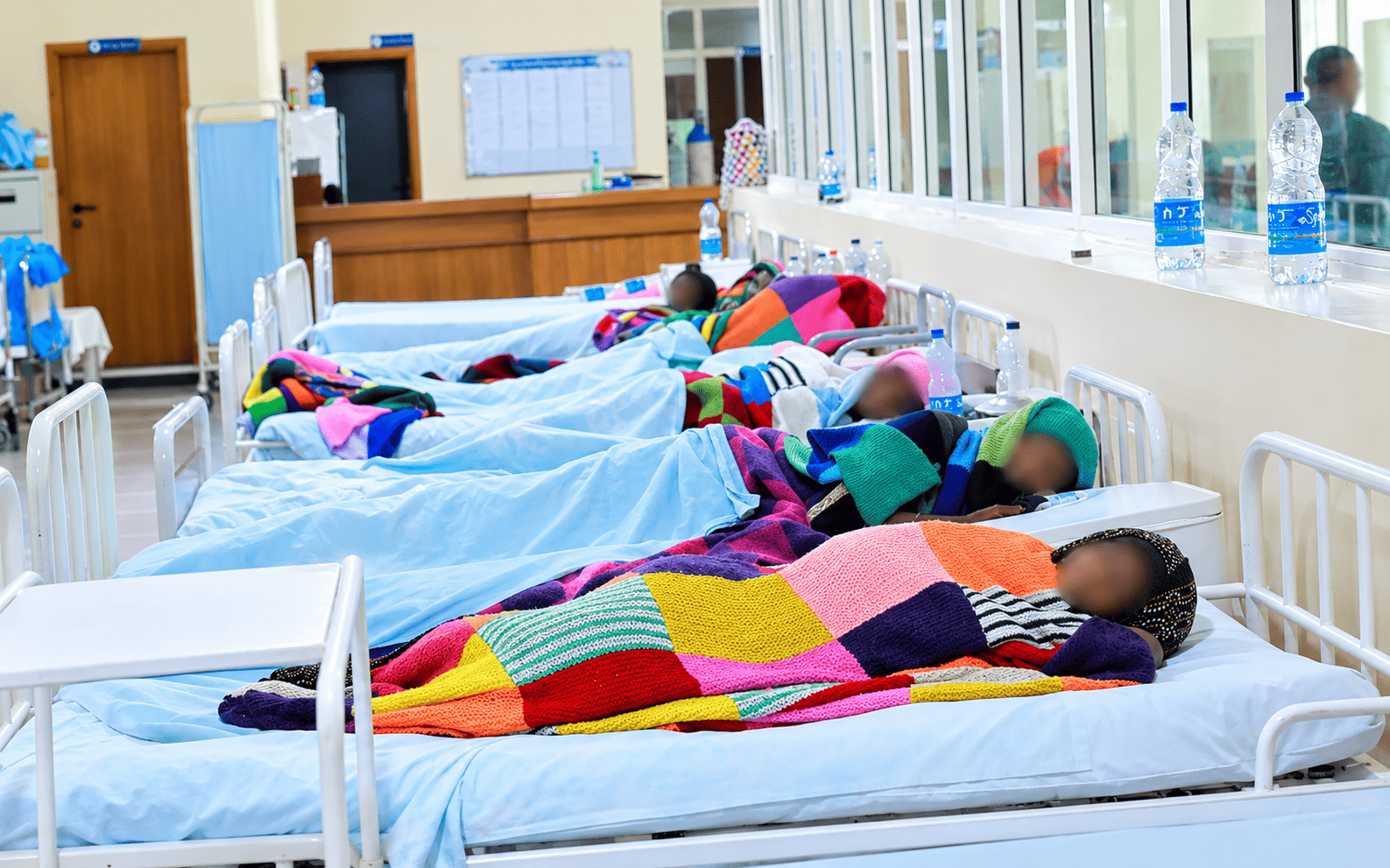
During a targeted mobile outreach screening, Help Generation's clinical team uncovered an urgent, largely invisible crisis: multiple young women living with severe, debilitating uterine prolapse—a painful condition historically shrouded in stigma and left untreated.
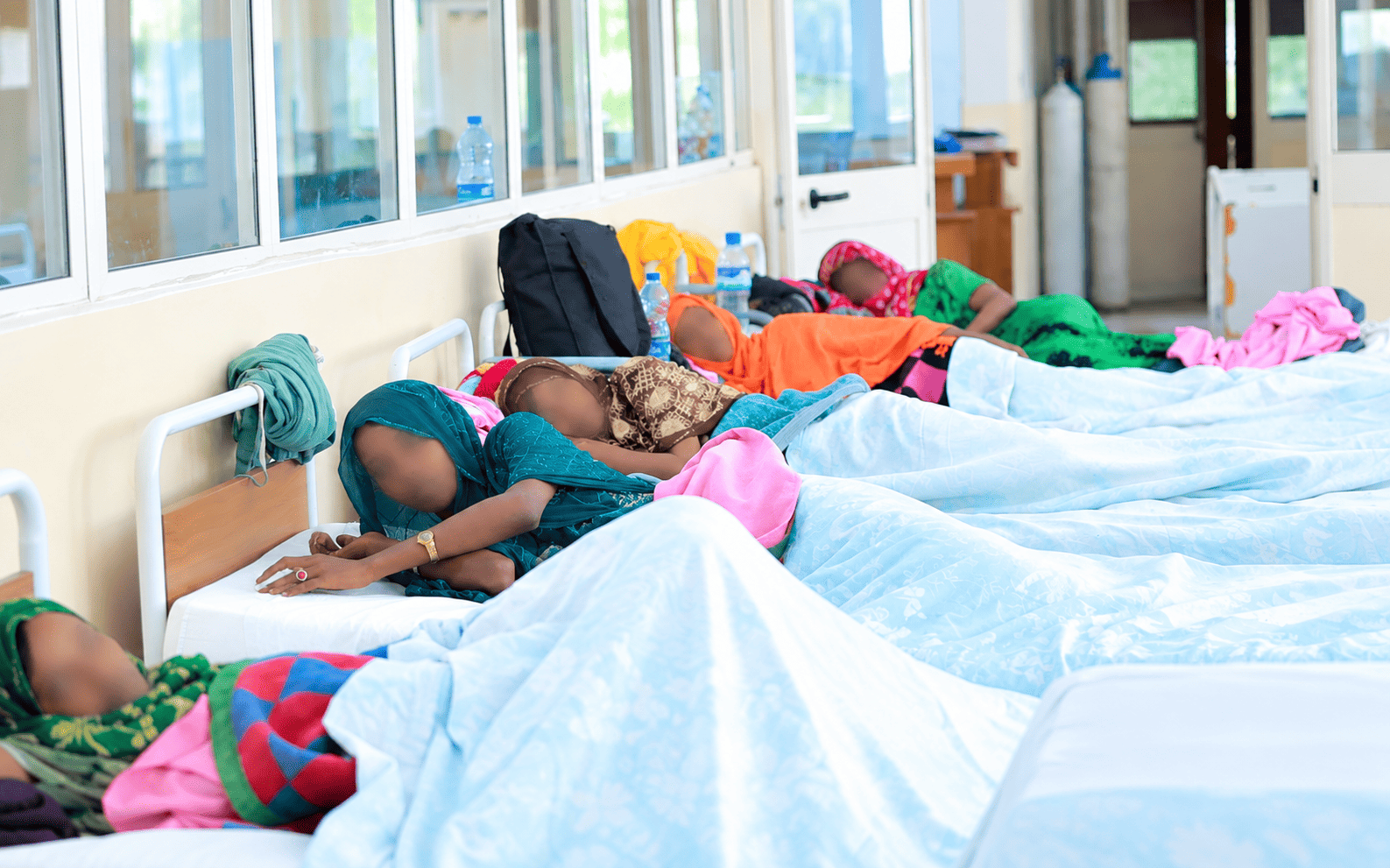
Tertiary Surgical Lifeline
Rather than merely diagnosing the condition, Help Generation coordinated an immediate multi-agency referral protocol with Hamlin Fistula Hospital and regional health bureaus, securing tertiary clinical surgery and restorative care for survivors.
Safe Havens: Women & Girls Safe Spaces (WGSS)
In communities where domestic spaces can sometimes be fraught with danger, Women and Girls Safe Spaces (WGSS) serve as an indispensable sanctuary. These centers provide adolescent girls and women with a non-stigmatizing physical space to build peer support, access psychosocial counseling, learn livelihood skills, and seek confidential guidance.

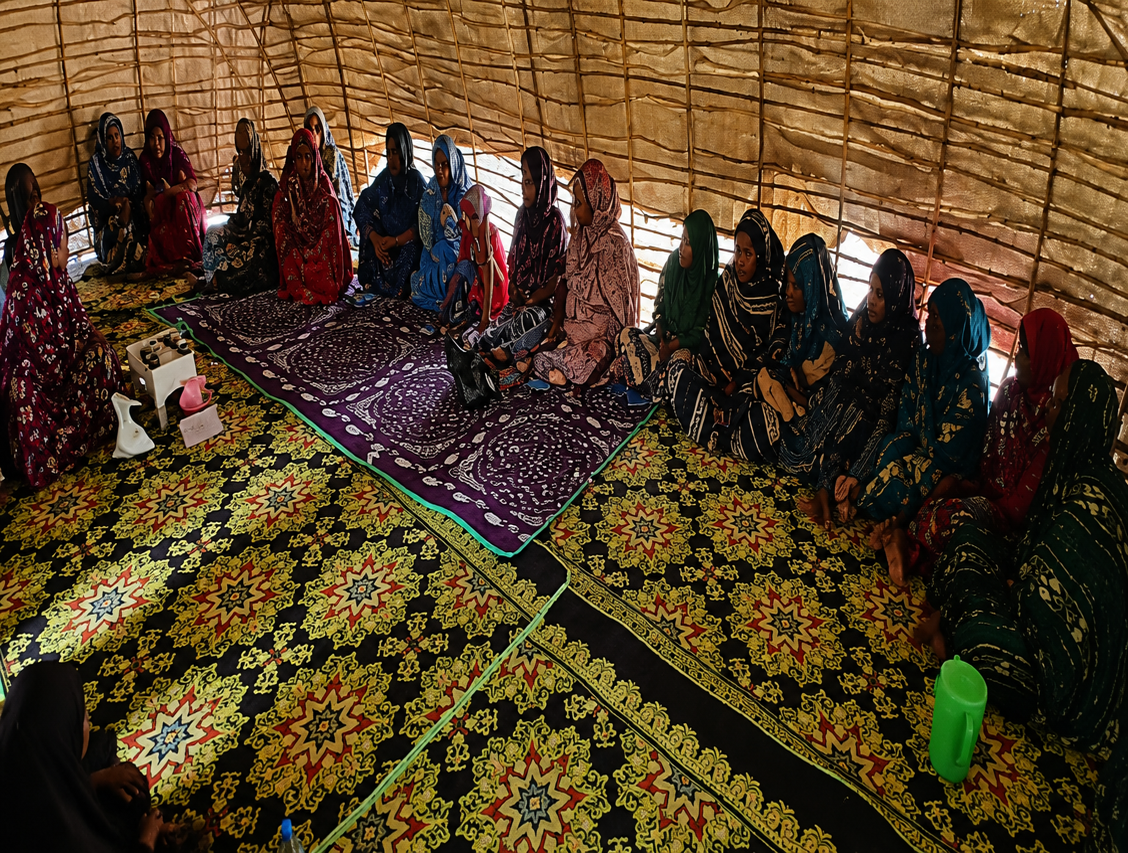
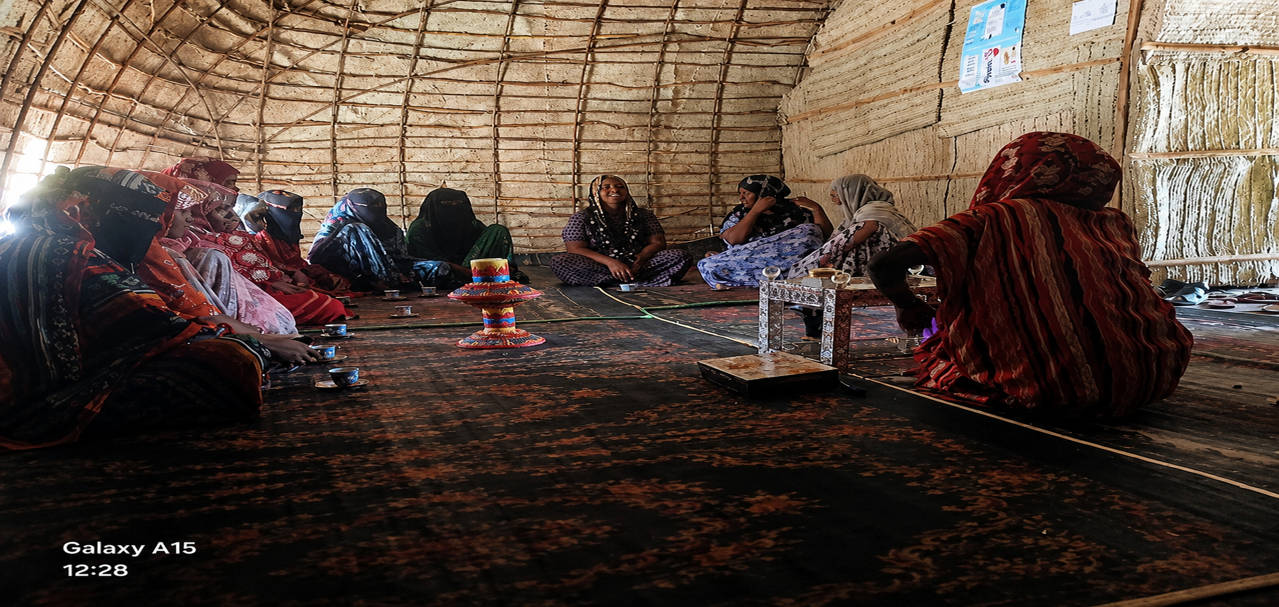
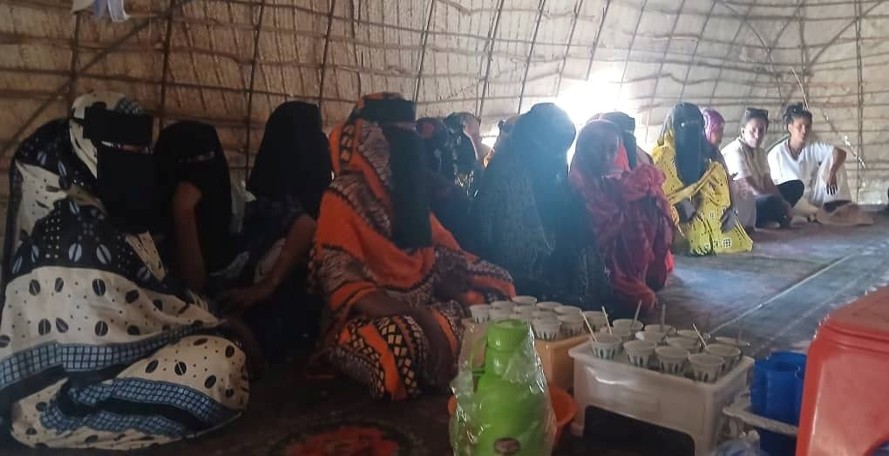
By embedding WGSS within local kebeles, Help Generation ensures that long after an emergency distribution finishes, a permanent community architecture for female empowerment, mutual solidarity, and protection remains thriving.
Lessons Worth Scaling & The Path Ahead
Operating in Afar presents harsh logistical constraints—from extreme heat to recurring fuel shortages and shifting security corridors. The success of this UNICEF-supported response demonstrated four crucial blueprints for humanitarian action:
Clinical Integration
Stocking woreda health centers with GBV medical supplies establishes immediate trust and enables confidential post-exposure care close to home.
Community-Led Oversight
Local distribution committees managing reception and beneficiary verification eliminate gatekeeping and foster lasting community ownership.
Cross-Sectoral Safeguards
Training WASH, education, and nutrition teams on disclosure handling ensures no survivor slips through institutional blind spots.
Localized Administrative Synergy
Partnering deeply with Woreda Administrations overcomes extreme logistics—securing warehouse storage and prioritizing emergency fuel.
Gadegay — Thank You
To our frontline social workers, woreda health leaders, Hamlin Fistula Hospital, and UNICEF Ethiopia: thank you for your unwavering partnership in defending the dignity and safety of women and children.
© 2026 Help Generation (HG) — Registered Local Civil Society Organization No. 4459.